Hi! Welcome to my blog where you can find nutrition and fitness tips, recipes, and inspiration. I am a Registered Dietitian and Certified Fitness Trainer on a mission to help individuals build their resiliency with nutrition and fitness. Check out my website and services! https://jresilientfitnessdietitian.com/

Inspiration!
Check out my previous blog page, Healthy Living In Your Hands! Wow, I must say how time has changed from now and then in my career. I always loved blogging and thankfully that is one thing that will never change. I love sharing recipes, healthful tips from fitness to nutrition, and inspiration. This new chapter in my career calls for advancement and more ways to serve my audience and clients. So enjoy my new blog page!
Click link to access: https://staycalmandbewell.health.blog/blog/
My Very Own Home Gym!
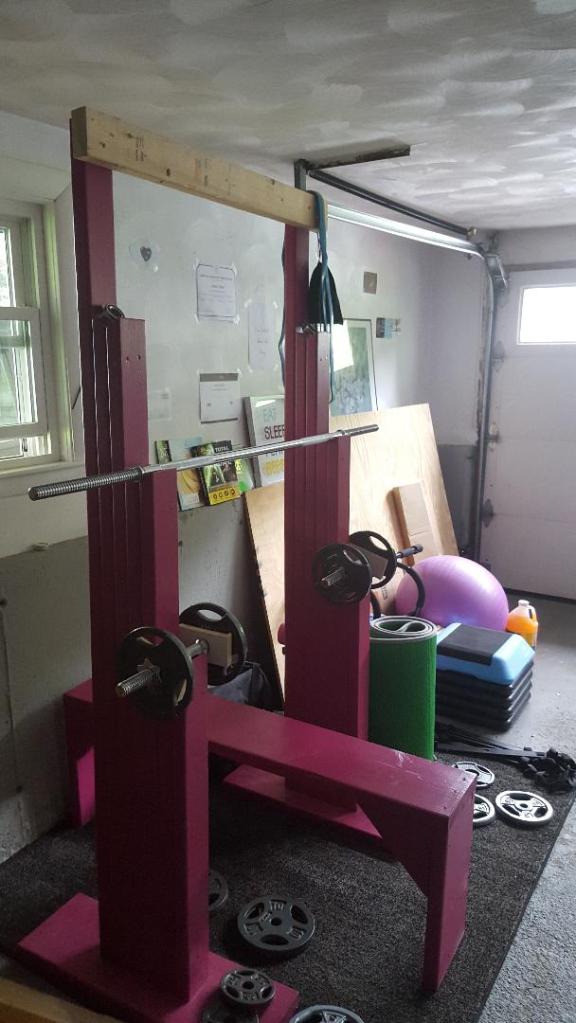
My home gym became my cornerstone during the COVID-19 Pandemic. I was fortunate to have the space to make it my very own that worked perfectly “for me, and my living situation.” It was even more important that it fit my budget. I knew that ultimatley this was an investment towards my health. As a health professional, it was very significant to make this my quarantine project. Yes, that meant being creative! I looked at my budget, space, and essential must haves for a home gym to make this work. There are three major components to achieving optimal fitness. Those three are cardiorespiratory fitness, resistance training, and flexibility training. As an ACSM Certified Fitness Professional, a great resource that breaks down how you can make your home gym successful comes directly from the ACSM.org page.
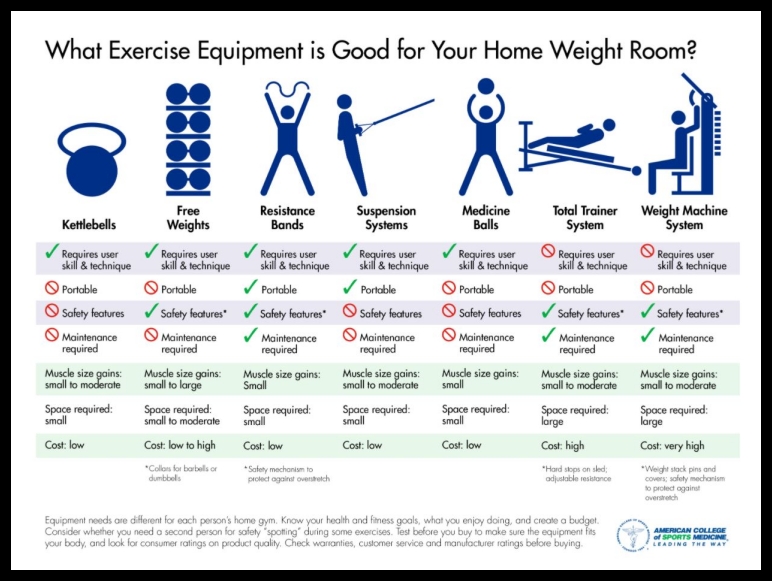
This is a great resource above to reference too! Most of the recommendations can be easily bought from Amazon, Ebay, Marshall’s, TjMaxx, Walmart, Five Below, and Target. All at an afforadable price! I am thankful I had my father help me get my gym up and running. He is an amazing contractor. We both made a trip to Lowes and bought lumbar and designed/painted my very own squat rack with a bench! Yes, all just under $100! Creativity and teamwork at its best. I Know this wasn’t Gold’s Gym, or LifeTime Athletic, to name a few, but it was my gym. To me, this space was even more rewarding. My place to destress, and take time for my wellbeing. That in itself was worth the investment. Once I finished designing my own home gym, I spent less than $700. I will admitt, the one thing I did not buy was cardio equipment. And you may be wondering why. But first….let me tell you a secret. You don’t need to buy expensive and fancy cardio equipment to get your cardio in! Yes, I said it! I can’t tell you countlessly how many times on the radio or t.v. they kept advertising the oh so great Pelaton, Nordic Track, and more. Before grabbing your wallet, let me help give you some tips that you can do without breaking the bank. All that can be done for free! Simply use the stairs, and I used my stairs in the house all the time during those cold wintery/rainy days and I still broke a sweat! On icky days, consider doing laps around your house, jumping jacks, lateral jumps, donkey kicks, and more. The best cardio during those warm spring and hot summer days…..swimming, cycling, and walking which are great and considered low-impact to the body. On nice days, I always liked changing my routine up by exploring new trails in the area, or places to hike. There is always a way to make it work at an afforable price. Lastly, choosing and designing a workout program once you finished designing your workout space is the final step. Exercise, just like nutrition, is a science. Working with a fitness professional comes in handy at this point. Designing an exercise program is complex, and so individualized. So make sure to consult with your fitness professional before starting a fitness routine, that it aligns with your fitness goals, realistic for your schedule, and most importantly safe and tailored to your needs.
Pineapple Tropical Smoothie Recipe
Is it me or is it getting hot up in here!? Dreaming about the tropics still? That’s right, summer is around the corner and its time to hit the beach! Or is that just wishful thinking? Life is busy, it’s getting a lot hotter out there, and packing in the right nutrients into your body is still important. So sit back, and relax with a refreshing, with this nutrient packed Pineapple Tropical Smoothie recipe.
When the weather starts getting warmer, I start craving for refreshing, light, and easy-to-go nutrient packed smoothies. Pineapple is a very sweet and juicy fruit from the southern regions of Brazil and Paraguay. A fun fact to know, pineapple is actually a cluster of berries fused to the core. This versatile fruit is loaded with nutrition! Did you know, one cup of pineapple chunks has 82 calories, is an excellent source of antioxidants, vitamin C and a good source of thiamin and B6. Yum, I am all in! There is also emerging research on Bromelain, a digestive enzyme found in pineapple that can help with gut health and break down proteins in your body. It can even help with immunity and some research shows that the enzyme may reduce inflammation, blood clots, and cancer progression.
You can buy pineapple at the grocery store fresh or frozen. I personally love both! If you are looking for something easy and quick, frozen will be perfect for you. I usually get a 1 lb./16 oz. bag of frozen pineapple chunks at Trader Joe’s for only $1.99. Not bad! This super and easy recipe is a burst of flavor.

Prep Time:
-Total of 10 minutes
-Servings: 2 servings
Ingredients:
- 4 cups of ice
- 1 cup of pineapple (fresh/or frozen)
- 1 large banana
- 1/3 cup dairy milk/or milk substitute of choice
- Garnish: sliced pinapple (optional)
Directions:
-Gather the ingredients
-Peel, core, and cut fresh pineapple. If fresh, make sure to chop pineapple to smaller chunks before adding to blender. Frozen pineapple chunks are perfectly fine as it is for blenderizing.
-Banana that is already riped, but not too brown. Break into smaller pieces.
-Place the ice, pineapple chunks, banana pieces, and milk in a high powered blender that can handle crushing frozen ingredients.
-Pulse and crush until it is completely blended and very smooth. If it is too thick, slowly add more milk until it’s at your desired consistency.
-Pour the smoothie into tall glasses and garnish with sliced pineapple and a cute straw.
-Enjoy!

Inspiration to Lighten Your Day!
Exercise in Hot Environments & Considersations
Happy summer everyone! Summer is one of the best times of the year. Summer means more daylight, beach trips, vacation planning, and more. But let’s face it, there are some cons to it. The biggest challenge is the heat and humidity! Someone like me who has lived all their life in the Northeast, we get all the seasons. I love summer, but unless I am on a beach, I struggle myself. Most of us can probably relate to this. Adapting to our enviorments can be tough. But it is possible. Most may find it daunting, unmotivating, and challenging to get a good exercise in when the thermometer is reading day time high’s. So you may be wondering what are some ways to beat the heat and get moving!? Here are a few things to consider when exercising in a hot environment.
According to the American College of Sports Medicine (ACSM), when developing a personalized plan, the following factors should be in consideration in order to minimize the effects of heat exhaustion/stroke, hyperthermia, and dehydration.
- Monitor the enviornment
- Modify activity in extreme environments: enabling access to ample fluid, provide longer and/more rest breaks to faccilitate heat dissipation, shorten or delay play times. Perform exercises at times of the day when conditions will be cooler compared to midday (early morning, late evening). Children and older adults should modify activities in conditions of high temperatures and high humidity.
- Consider heat acclimatization status (tolerance), physical fitness, nutrition, sleep deprivation, age, intensity, time/duration, and time of day for exercise; availability of fluids, and playing surface heat reflection (i.e. grass vs. asphalt). Allow at least 3 hours, preferably 6 hours, of recovery and rehydration time between exercise sessions.
- Clothing: Clothes that have high wicking capacity may help in evaporative heat loss. Athletes should remove as much clothing and equipment (i.e. headgear) as possible to permit heat loss and reduce the risks of hyperthermia.
- Assessing hydration status and proper fluid replacements (i.e. electrolytes)
The list can go on! These are the major points to focus on. The bottom line is that when we exercise, or get in any sort of movement, it will result in increased body temperature. Heat illness ranges from muscle cramps to life-threatning hyperthemria. Also, dehydration has been linked to a higher risk for heat exhaustion and heat stroke. Sweat losses are different for everyone based on the individuals exercise intensity and environmental conditions. That means hydration is key! The risk of dehydration and hyperthermia can be minimized by monitoring the environment; modifying activities in hot, humid environments; wearing appropriate clothing; and knowing the signs and symptoms of heat illness.

Hydration and Electrolyte Consumption in the Summer
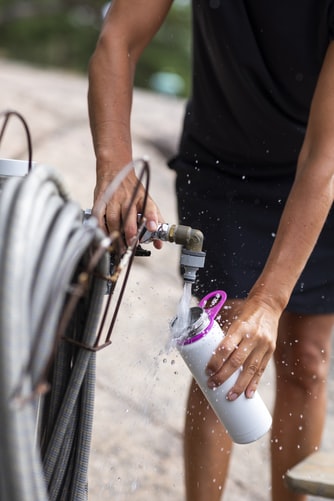
It is summer time! Are you staying hydrated and replenishing electrolytes? Electrolyte loss is very common in the summer months and can cause dehydration as a result. If you: tend to sweat a lot, are a “salty” sweater, an athlete training in high altitudes, and training in hot and/or humid weather, you will need to replenish those losses! So what are electrolytes? Electrolytes are minerals found in the foods you eat and some beverages. Electrolytes can help regulate muscle function (including the heart), fluid balance, and your body’s acid-base balance. Whole foods are an easy way to get the electrolytes your body needs.
The six main electrolytes you should be mindful of with food sources;
- Calcium- Dairy Products, Broccoli, Kale, Salmon
- Chloride- Processed Foods (i.e. Salt, Soy Sauce)
- Magnesium– Broccoli, Cashews, Legumes, Spinach, Sunflower Seeds, Whole Wheat Bread
- Phosphorus- Dairy Products, Almonds, Broccoli, Eggs, Green Beans, Potatoes
- Potassium- Bananas, Watermelon, Cooked Spinach, Legumes, Melons, Mushrooms, Nectarines, Potatoes, Tomato Juice, Winter Squash
- Sodium- Processed Foods (i.e. Salt, Soy Sauce)
Inspiration of the Day!

Watermelon, and the Many Reasons to Enjoy During the Summer.
Once the summer season arrives, I cannot get enough of the fresh in-season fruits and vegetables to mix along with meals and snacks. The list can go on! One of my favorites is watermelon. I like to label watermelon as a “powerhouse,” fruit for many reasons. The health and nutritional benefits behind it which comes in handy for those hot summery days. And here’s why,
- It is high in potassium (1 wedge of watermelon is 286mg), an important mineral and electrolyte we need in our body’s. Potassium has many important functions such as helping maintain normal blood pressure, transports nutrients into your cells, and supports healthy nerve and muscle function. During the summer we lose a lot of this from sweat loss so it is vital we try and get enough of this through food and beverages that contain potassium.
- Watermelon is also a great source of Vitamin A and C, as well as Magnesium.
- This lush and red delicious melon is also a great source of Lycopene and Citrulline. Both which serve roles as antioxidants for the body. Citrulline is a non-essential amino acid and some data shows that it may help with vasodilation of the blood.
The many reasons why I love having this sweet and juicy fruit during the summer! Below is a yummy recipe or what I like to call is nature’s version of dessert! Follow my quick, easy, and refreshing recipe on how you can add more watermelon into your summer days.
Watermelon Ice Pop Recipe:
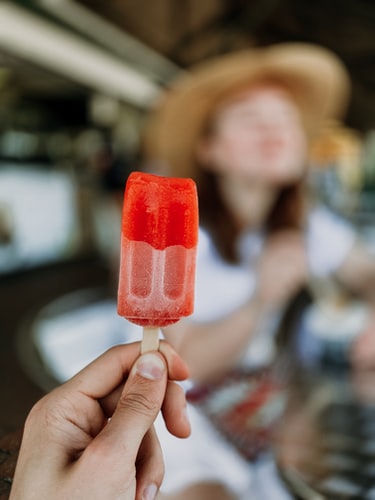
Ingredients:
-1 ½ cups watermelon, seeded and diced
-½ cup water
-1 tablespoon honey
-1 tablespoon fresh lemon juice
-1 tablespoon honey or agave nectar
Directions:
- Step 1: Blend watermelon, water, honey, lemon juice, and sugar together in a blender until smooth. Pour mixture into ice pop molds and freeze until solid, about 2 hours.
- Step 2: Run hot water over ice pop molds for a few seconds to unmold.
Enjoy!
Nutrition Facts:
Per Serving: 31 calories; protein 0.3g; carbohydrates 8.1g; fat 0.1g; sodium 1.1mg.
How to Maximize Your Herbs & Spices in the Food Pantry.
Is your pantry loaded with random herbs and spices that you’ve never tried, or never knew you even had? This past weekend I spent most of my time trying to organize my food pantry. It felt like I was on a treasure hunt! I found plenty of herbs and spices that were never even used. I was shocked, considering I love meal prepping with tons of yummy flavors.
I always love recommending to my clients adding herbs and spices in their dishes. The reason why is it makes for a great low sodium option. You still get the sweet, savory, and overall great taste with your meal, just with less additional salt. The American Heart Association recommends an intake of 2300mg of salt per day for the average healthy person. If you are age 65 and over, or someone who has hypertension, the recommendation is to cut down the salt intake to less than 1600mg per day. Most Americans already meet these requirements per day, and in some cases exceed it!
So, let me help you navigate your pantry of wonders! Perhaps you just need to simply pair them with food to make the magic happen. Variety is the spice of life! Dried herbs should be “bloomed” and cooked in oil at the start of a recipe to bring out their flavor. Fresh herbs should be added prior to serving for best taste.
Below are examples of spices to try in your chicken, fish, vegetable or other dishes:
- Allspice: Use in meats, fish, poultry, soups, stews, and desserts.
- Basil: Use in soups, salads, vegetables, fish, and meats.
- Cayenne Pepper: Use in meats, poultry, stews, and sauces.
- Cinnamon: Use in salads, vegetables, breads, and snacks.
- Garlic: Use in soups, stews, salads, vegetables, meats, poultry, seafood, and sauces.
- Oregano: Use in soups, salads, vegetables, meats, and poultry.
- Paprika: Use in meats, fish, poultry, and vegetables.
- Rosemary: Use in salads, vegetables, fish, and meats or on potatoes
- Thyme: Use in salads, vegetables, fish, and poultry.

Inspiration Monday!
Post Training Tips for Refueling
So you just completed a moderate to rigorous training session at the gym. Now what? Many times we forget how important refueling is after training our bodies so hard in order to recover fully. Keep in mind, everyone’s individuals needs are different, and it depends on the type, time, frequency, and duration of your training session.
My 3 tips are:
1.) REFUEL: Carbohydrates! Training depletes energy stores, replenish stores in the form of carbohydrate-rich foods. Some examples of food sources are banana, bread, potato, bars, pasta, and more.
2.) REPAIR: Protein! Muscle breakdown and micro tears are a normal part of exercise, protein foods supply building blocks to repair and promote muscle growth. recommendations are to aim for at least 30 grams of protein post training. Some examples of food sources are yogurt, milk, tuna fish, eggs, whey protein, beans, chicken, and more.
3.) REYHRATE: Fluids! Primarily choose plain water to top up water losses from sweat. If it was an especially a more rigourous session with greater sweat losses, consider replenishing with electrolytes. Some examples of this are gatorade, and coconut water.
Inspiration of the Day!

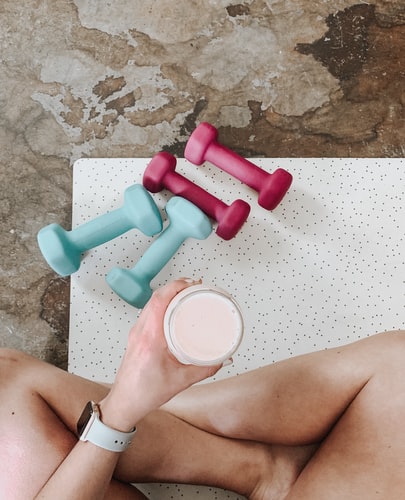
Energize with Structure. Workout Nutritional Guidelines.
When it comes to sports performance nutrition, fueling our bodies is not an option. It is a necessity. My take as a Registered Dietitian and Certified Fitness Professional is when you train at the gym, or enroll in a fitness program, fueling our bodies is key in order to perform at our best and get optimal results. Keep in mind that based on the type of exercise and fitness training you are doing, needs will vary.
Let’s take a deeper dive. The composition of your meal or snack should adjust based on the time before and after activity. For example:
Pre-workout: The sooner the moderate-high intensity training, the smaller size of the meal/snack to ensure proper digestion. The foods included should also be familiar and well-tolerated. Loer fiber carbohydrates can be easier on the stomach and quickly abosrbed for energy during a session.
Post-workout: Protein and carbohydrates should be included in post-activity meals and snacks. Start with a serving of protein, and then add carbohyrates in between for more intense or longer workouts.
Apple Season Has Arrived!
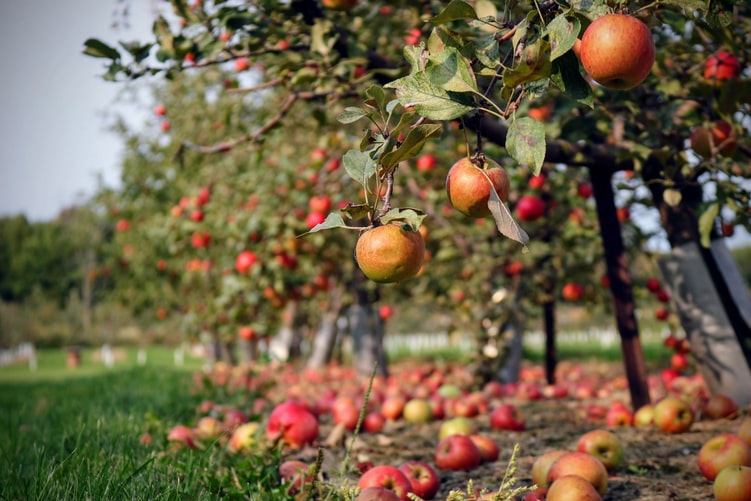
Apples are at their peak right now, just in time for back-to-school season and my favorite time of the year.., Fall. Growing up in New England I always enjoyed going apple picking with my family and friends. I still continue this favorite fall tradition even up to this day. The best part of apple season is that the sky is the limit with what you can do and make with them. Even better, they are so nutritious!
Have you ever heard of the saying, “an apple a day keeps the doctor away?” This statement holds true because apples are high in fiber, Vitamin C, potassium, and low in calories. Also, apples are about 86% water, meaning they promote satiety and help you stay hydrated. Another nutritious fact and tip is to try and not skip the peel of an apple! The peel is rich in fiber and antioxidants. So it is highly encouraged to eat the whole thing!
Here are a few ways you can incorporate apples into your day:
- Apples w/ peanut butter or yogurt
- Apples diced and mixed with Oatmeal
- Apples with a Cheese Stick
- Apples diced and mixed with Smoothies
- Apples diced and mixed with Energy Balls
- Applesauce
- Apple Cider
- Apples mixed into breakfast dishes (i.e. waffles, pancakes)
- Apple Crisp and Pie
So enjoy apple season and eat them apples up! Happy Fall everyone!
Inspiration!

Caffeine & It’s Effect on Exercise Performance.
There has been a lot of buzz recently on caffeine and its effect on exercise performance. I definitely get quite a few questions about it as a fitness dietitian working with active and athletic individuals. I don’t know about you, but I get my daily dose of caffeine from my coffee to help give me a boost during my day! But first, what is caffeine? Caffeine acts as a stimulant on the nervous system (including the muscles, heart and other organs) by binding to certain receptors and blocking a chemical the body produces more of during stress and trauma.
For one, caffeine research in exercise and sport settings has changed a lot over the past decade. Some topics include;
– The ergogenic effects of low caffeine doses, which is (~200 mg). The average 8oz. cup of coffee is close to 80-100mg. The Academy of Nutrition & Dietetics suggest 3-5, 8 oz. cups of coffee provide about 400 mg of caffeine, which is the most that is recommended per day for healthy adults.
– Dosing of caffeine, before and during a wide variety of exercise situations and sports.
-Administration of caffeine in alternate forms, including carbohydrate electrolyte solutions (CES), gels, bars, gums, etc.
A few key takeaways summarized;
-A recent study reported by the Gatorade Sports Science Institute concluded that well-trained athletes whom were cyclists and triathletes followed closely were found to be very sensitive to small doses of caffeine (100mg) late in prolonged exercise without ingesting caffeine before exercise. This study included using real-world exercise tests (e.g., time trials (TT) and trained athletes to assess caffeine effects on performance during their actual events/sports.
Subjects in the study received one of three conditions;
- Carbohydrate Electrolyte Solution (CES)
- Caffeine given at 100mg
- Caffeine given at 200mg
These results demonstrated that low caffeine doses (100-200mg) were ergogenic (enhancing performance) in a TT in well-trained cyclists when caffeine was ingested late in a 2 h training. The 200 mg dose caffeine was more potent than 100 mg, but there were no differences in the physiological responses.
Improvement in performance revealed that very low caffeine doses and plasma blood levels are ergogenic when the athlete is experiencing some fatigue.
Things to consider as an active and athletic individual:
- When considering whether to use caffeine as a potential ergogenic aid, athletes should begin with low caffeine doses of ~100-200 mg. Higher doses doesn’t show additional benefits.
- The response to caffeine consumption is highly variable, athletes need to trial the use of caffeine in training before moving to competitions.
• Keep in mind that ergogenic effects of caffeine are generally independent of habitual caffeine use, training status, dietary intake, gender, hydration status and exercise modality, but studies show that the results in the heat are less clear.
• Caffeine can be administered in capsules, coffee, sports and energy drinks, gum, gels, bars and dissolvable mouth strips with ergogenic (enhancing) effects. Mouth rinsing with caffeine or aerosol caffeine administration is less likely to produce an ergogenic effect.

 The Resilient & Fitness Dietitian-Blog